Nordic Ember Interior Design
Nordic Ember Interior Design
Introduction
Winter is more than a season, it's an invitation to slow down, embrace warmth, and create spaces that feel like a gentle embrace after a long day.
At Nordic Ember Interior Design, we believe your home should be a sanctuary during the colder months, a place where minimalist elegance meets profound comfort. This is where hygge, the Danish concept of coziness and contentment, becomes not just a design philosophy but a way of living.
Hygge isn't about filling your space with clutter or overwhelming it with decorations. Rather, it's about thoughtful curation: selecting elements that bring genuine warmth, texture, and light into your home. It's the flicker of candlelight on a quiet evening, the weight of a wool blanket draped over your shoulders, the earthy scent of wood and the softness underfoot.
In this guide, we'll explore ten transformative ways to infuse your home with hygge warmth this winter, balancing professional design principles with the simple joy of creating a space that truly feels like home.
Before we dive into specific decor ideas, it's essential to understand what hygge truly means in the context of interior design.
Hygge (pronounced "hoo-ga") emerged from Scandinavian culture as a response to long, dark winters and the human need for comfort, connection, and well-being. It's not about expensive purchases or trendy aesthetics: it's about creating an atmosphere where you can be fully present and at peace.
In design terms, hygge translates to several key principles: natural materials over synthetic ones, warm lighting over harsh overhead bulbs, textured layers over flat surfaces, and personal touches over generic decor. It's about quality over quantity, creating intentional spaces rater than filling rooms.
When you design with hygge in mind, you're not just decorating for winter: you're crafting an environment that supports mental well-being, encourages slowness, and celebrates the beauty of simple pleasures.
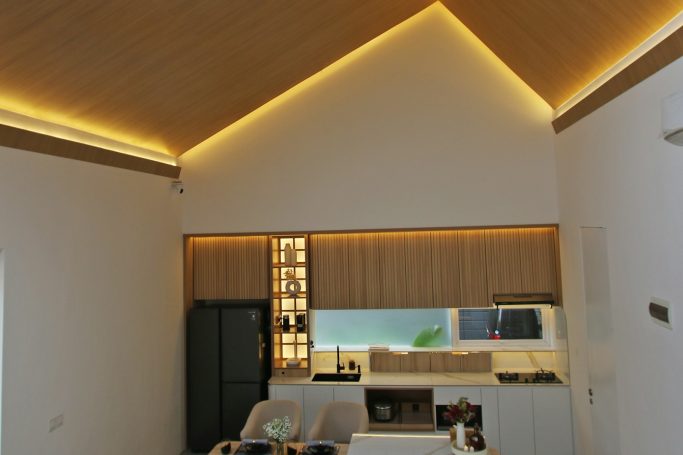
Lighting is perhaps the most transformative element in winter decor, yet it's often the most overlooked. The key to hygge lighting isn't about brightness: it's about creating pools of warm, ambient light that invite you to settle in. Think of lighting as the foundation of your winter atmosphere, the element that sets the mood for everything else.
Start by evaluating your current lighting setup.
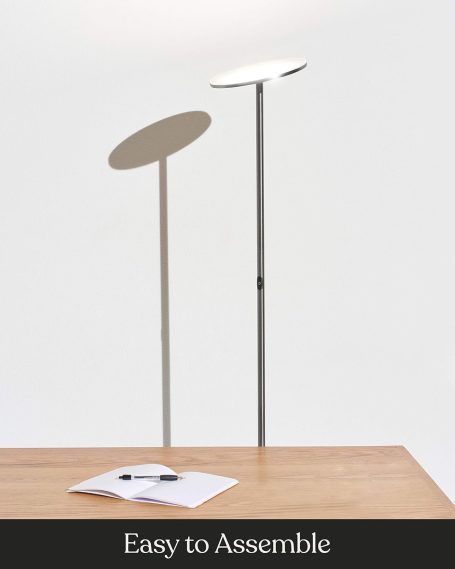
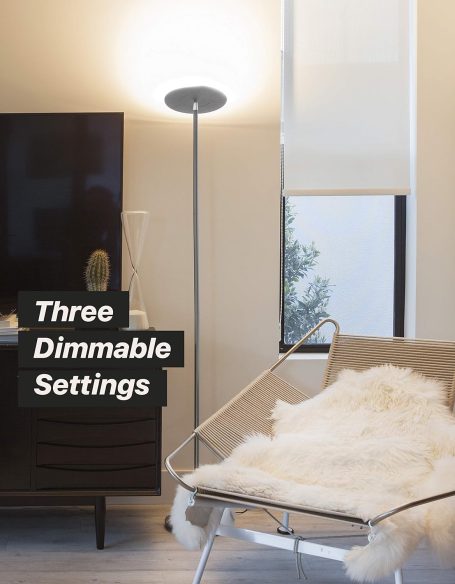
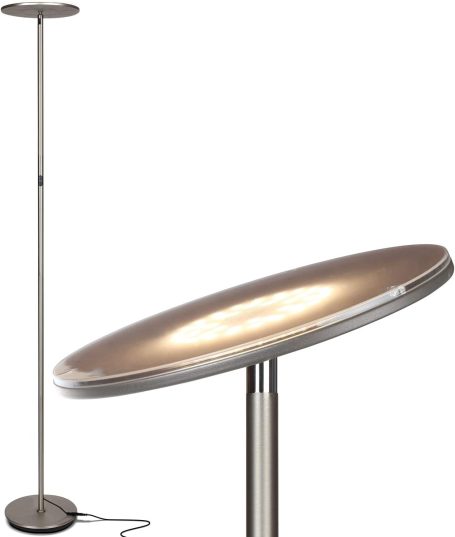
Our Pick: Brightech Sky LED Torchiere Floor Lamp - This dimmable floor lamp offers warm, upward-facing light that bounces off ceilings for a soft, ambient glow. Its minimalist design fits seamlessly into Scandinavian interiors while providing the warm illumination essential for hygge evenings.
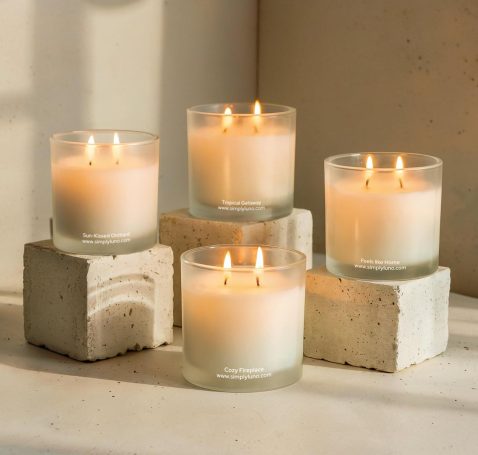
Nothing embodies hygge quite like candlelight. There's something primal and deeply comforting about fire; it's been the centerpiece of
human gathering for millennia, and that instinct hasn't left us. Candles slow us down, require our attention, and create an intimate
atmosphere that electric light simply cannot replicate.
But incorporating candles into your winter decor goes beyond simply lighting a wick.
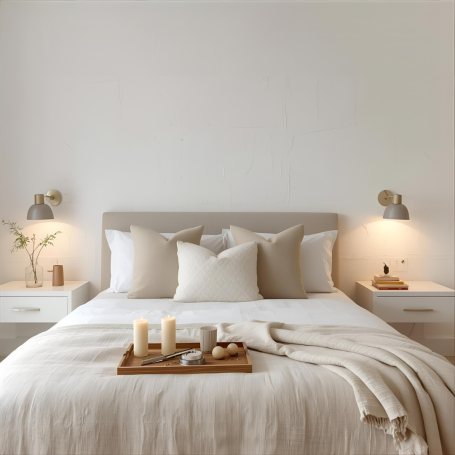
Think about placement and grouping. Cluster candles of varying heights on a wooden tray for your coffee table, creating a focal point that draws the eye. Place pillar candles in your fireplace when it's not in use, or line them along a windowsill to create a warm glow that welcomes you home in the evening. In the bathroom, candles transform a simple bath into a spa-like ritual.
Safety and practicality matter, especially in homes with children or pets. LED candles have evolved significantly: the best ones feature realistic flicker effects and warm color temperatures that mimic real flames. They're perfect for high-traffic areas, bedrooms where you might fall asleep, or any space where open flame isn't ideal. Keep real candles for when you can sit and enjoy them, treating them as the special ritual they deserve to be.
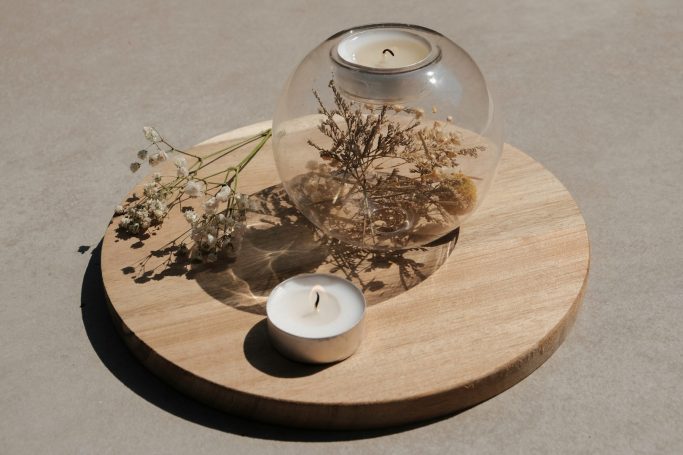
Consider the vessels as part of your decor. Simple glass votives showcase the flame beautifully, while ceramic or concrete holders add textural interest. Wooden candle holders bring natural warmth, while metal lanterns create beautiful shadow play. Choose vessels that complement your existing decor but also feel tactile and intentional.
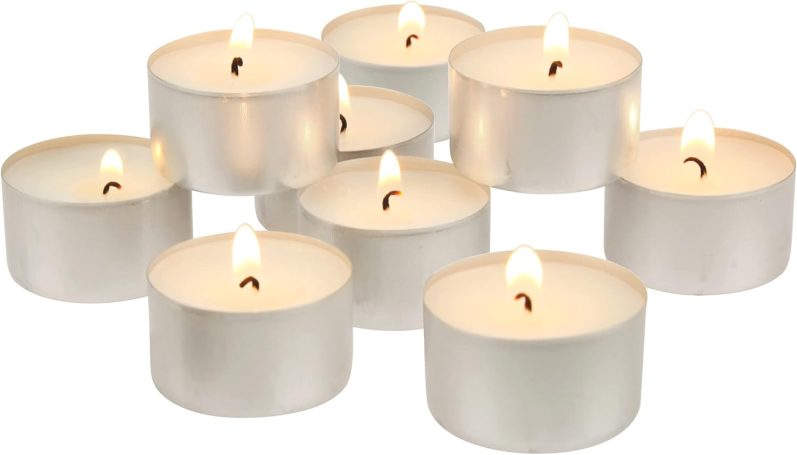
Our Pick: Long Burning Tealight Candles - These extended-burn tealights provide 6-7 hours of gentle light, perfect for evening rituals without constant replacement. Their neutral color works with any holder, and buying in bulk means you'll never run out during long winter evenings.
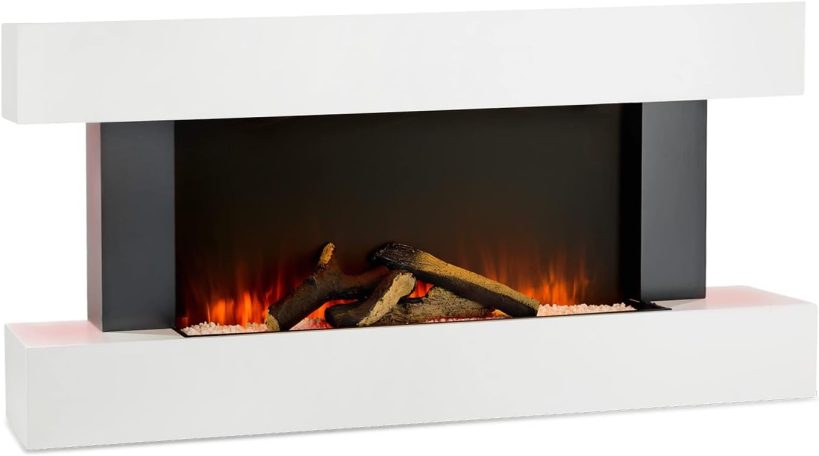
If you want to go All in: This realistic electric Fireplace with heating - Will change your winter; not only decor and coziness but also warmth. You can change colours, intensity and side lights.
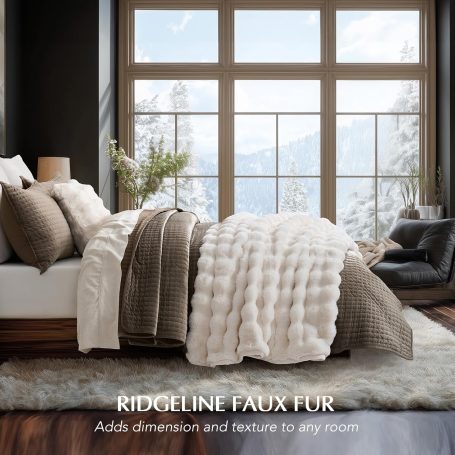
In Scandinavian design, textiles aren't just functional, they're the soul of a room. During winter, layering textiles becomes an art form, one that adds visual warmth, physical comfort, and textural depth all at once.
But textile layering requires strategy; done poorly, it looks cluttered. Done well, it transforms a minimalist space into a haven.
Start with your larger pieces: sofas and beds.
Material matters more than pattern:
In winter decor, texture does the work that pattern might do in other seasons. Think bouclé, chunky knits, brushed cotton, wool felt, raw
linen, and velvet. These materials catch light differently, creating subtle variation and depth. They also feel distinctly different to touch, which engages another sense and makes your space more experiential.
Don't forget the floor: Layering rugs is a professional designer trick that's perfectly suited to winter. Place a smaller, textured rug over a
larger jute or flatweave base. This adds warmth underfoot, defines seating areas, and creates visual layers that make a room feel more
curated and intentional. Check our guide to style rugs like a professional.
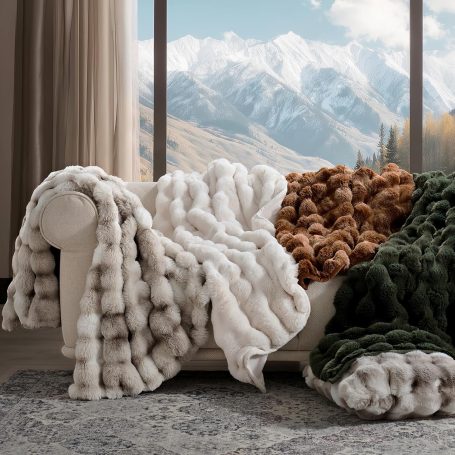
Our Pick: Luxury Thick Faux Fur Throw Blanket - This plush throw offers exceptional softness and warmth without the bulk of real fur. Its neutral color works with any decor scheme, and at 80x60 inches, it's perfectly sized for draping over sofas or beds.
The Scandinavian design philosophy is deeply rooted in nature, and this connection becomes even more important during winter when we spend less time outdoors. Bringing natural elements inside isn't just aesthetically pleasing, it's psychologically beneficial, reducing stress and improving air quality while grounding your space in organic warmth.
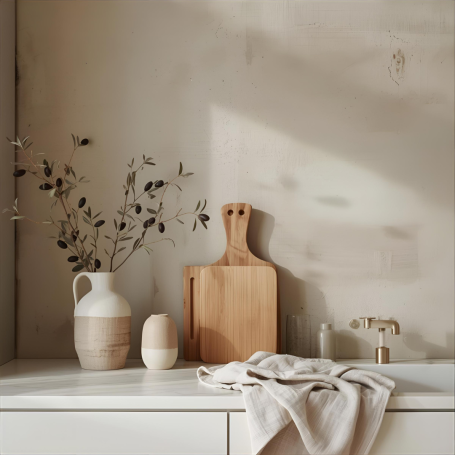
Wood is your primary natural material for winter. If you don't have wooden furniture, introduce it through smaller pieces: a wooden tray for coffee table styling, a raw-edge cutting board displayed on your kitchen counter, wooden candlesticks, or a simple wooden bowl filled with pinecones or natural objects. Choose woods with visible grain and warm tones—walnut, oak, teak, or acacia—rather than painted or laminated pieces.
Greenery matters even more in winter. While summer might call for fresh flowers, winter is the time for hardy, evergreen plants that thrive indoors. Consider plants with interesting textures or silhouettes: the sculptural drama of a fiddle leaf fig, the trailing softness of a pothos, or the upright elegance of a snake plant. If your home lacks natural light, LED grow lights have become remarkably design-forward, with options that look like regular lamps.
Stone and ceramic bring earthy, grounding energy to winter spaces. A marble tray, stone coasters, ceramic vases in matte finishes, or
concrete planters all add weight and substance that feels particularly appropriate during colder months. These materials also pair beautifully with wood, creating a layered natural palette.
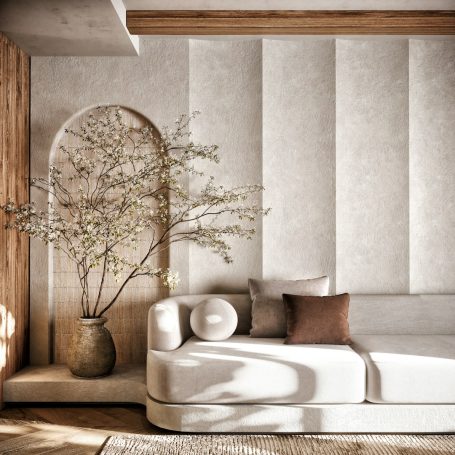
Don't overlook foraged elements. A few branches in a tall vase, pinecones displayed in a wooden bowl, dried grasses in a ceramic pitcher:
these cost nothing but add organic beauty and connect your interior to the season outside. Change them as winter progresses, treating them as living decor that evolves naturally.
Our Pick: Artificial Olive Tree in Pot - For those without ideal plant-growing conditions, this remarkably realistic olive tree brings greenery and vertical interest without maintenance. Its Mediterranean origins feel particularly appropriate for hygge spaces, where connection to warmer regions provides psychological comfort during cold months.
One of the most powerful hygge principles is the idea of the "nook": small, dedicated spaces designed specifically for comfort and retreat. Rather than trying to make entire rooms feel cozy, which can sometimes work against their function, create intentional cozy zones that
become your winter sanctuaries.
A reading corner is perhaps the most classic hygge nook. You don't need much space, a comfortable chair, a side table for tea, good reading light, and a place for books within arm's reach. But the magic is in the details: a footstool for putting your feet up, a soft throw blanket draped over the chair's back, perhaps a small shelf of your current reads. Place this near a window if possible, or in a quieter corner of your living room or bedroom.
Window seats deserve special mention. If you're fortunate enough to have a window seat, winter is when it truly shines. Add a thick cushion for the seat, pile it with cushions for back support, store extra blankets underneath in a basket. Sheer curtains can define the space while still allowing light in, creating a private nook within a larger room.
Don't overlook unexpected spaces. The foot of your bed can become a cozy spot with a bench or ottoman and a folded blanket. A wide hallway might accommodate a small chair and side table, creating a quiet retreat for morning coffee. Even a bedroom corner can become a meditation or journaling spot with just a floor cushion and a small low table.
The key is making these spaces feel intentional and maintained. A cozy corner piled with random items becomes clutter. A cozy corner with a specific purpose: reading, meditation, tea drinking, journaling; becomes a cherished ritual space that you'll actually use throughout winter.
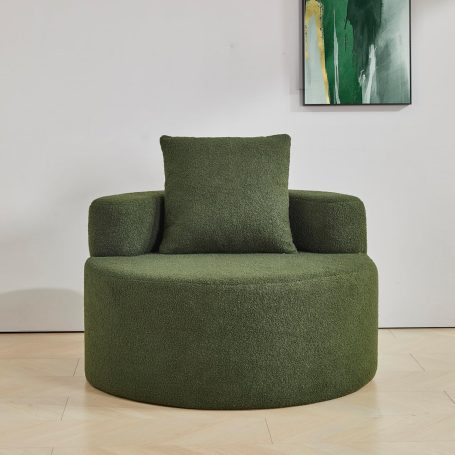
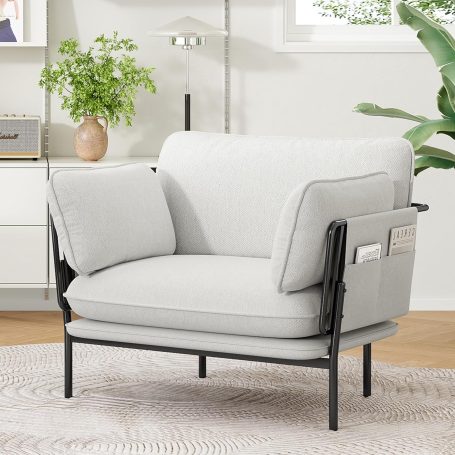
Our Pick: Living Room Chair - Accent Chair - This compact multipurpose chair offers both style and comfort without overwhelming smaller spaces. It is perfect for creating a dedicated reading nook and giving a designer touch to the room.
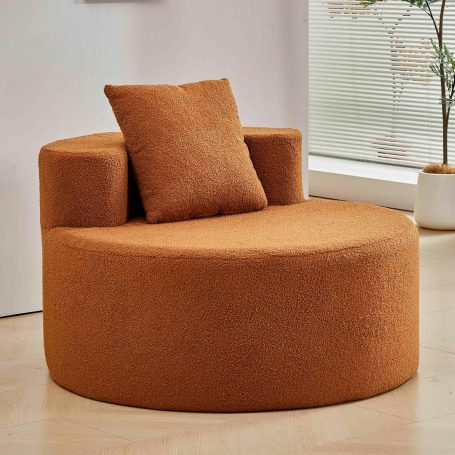
If you need something lighter, you can pick these decorative chairs with side pockets, picture below.
Windows present a unique challenge in winter: they're sources of natural light, which we desperately need during shorter days, but they're also where we lose the most heat and where cold drafts originate. The solution isn't to block them entirely but to dress them in ways that provide warmth, insulation, and softness.
Heavy curtains are transformative in winter. Not only do they provide essential insulation (thick curtains can reduce heat loss by up to 25%), but they also soften architectural lines and add textural warmth to rooms. Choose lined curtains in natural fabrics: linen, cotton, or wool blends, in warm neutral tones. The weight of the fabric creates beautiful draping, while the lining blocks drafts without blocking light during the day.
Length and fullness matter significantly. Curtains should just kiss the floor or puddle slightly:this not only looks more luxurious but also
prevents drafts from slipping underneath. For width, aim for curtain panels that are 1.5 to 2 times the width of your window when opened. This ensures proper fullness when closed and allows them to stack neatly on the sides when open, maximizing natural light during the day.
Layering window treatments adds both functionality and visual interest. Pair sheer curtains with heavier panels, allowing you to adjust
privacy and light throughout the day. During bright winter days, draw back the heavy curtains and keep sheers closed for soft, filtered light. In the evening, close the heavy curtains for warmth and privacy while maintaining that soft, layered look.
Don't forget about hardware. Substantial curtain rods in materials like brushed brass, matte black, or natural wood become part of your
decor. They should be mounted higher than the window frame and extend beyond the window on both sides, creating the illusion of larger windows and allowing maximum light when curtains are open.
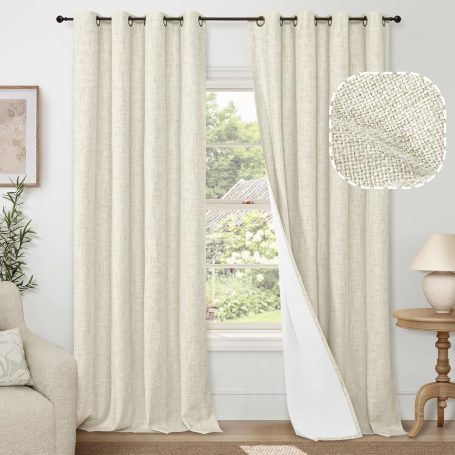
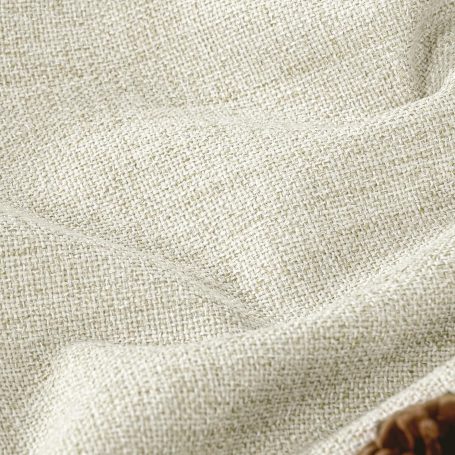
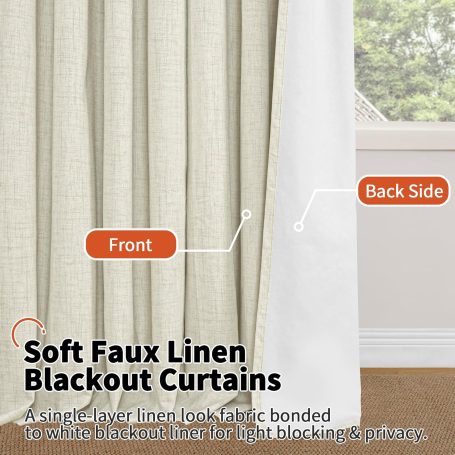
Our Pick: Linen Blackout Curtains - These thermal-insulated curtains blend natural linen texture with blackout functionality, providing both style and serious winter insulation. Their neutral palette complements Scandinavian decor while their energy-saving properties make them as practical as they are beautiful.
In hygge homes, the coffee table isn't just furniture, it's a curated sensory experience that invites interaction and creates a focal point for
gathering. Winter is the perfect time to style your coffee table with intention, creating a display that's beautiful, functional, and engaging to multiple senses.
Start with a base: this anchors your display and prevents it from looking scattered. A wooden tray, a stack of favorite books, or even a
beautiful piece of natural stone can serve this purpose. The base should be large enough to hold several items but leave breathing room. Remember, the goal is curation, not clutter.
Layer in elements that engage different senses. Visually, include items of varying heights: a tall vase with branches, medium-height candles, a small dish of objects. Texturally, combine smooth ceramics with rough wood, soft textiles with hard stone. For scent, consider a reed diffuser or a scented candle (unlit during the day, becoming functional in the evening).
Make it functional. Your coffee table styling should include practical elements: coasters ready for use, perhaps a small dish for keys or
glasses, matches beside candles. A beautiful coffee table book that you'll actually page through, not just for show. The line between decor and function should blur, everything should be both.
Change it seasonally or even monthly. Winter coffee table styling might include pinecones and dried branches in January, then transition to pussy willows and early spring branches in February. This evolution keeps your space feeling fresh and connected to the passing season, a key hygge principle.
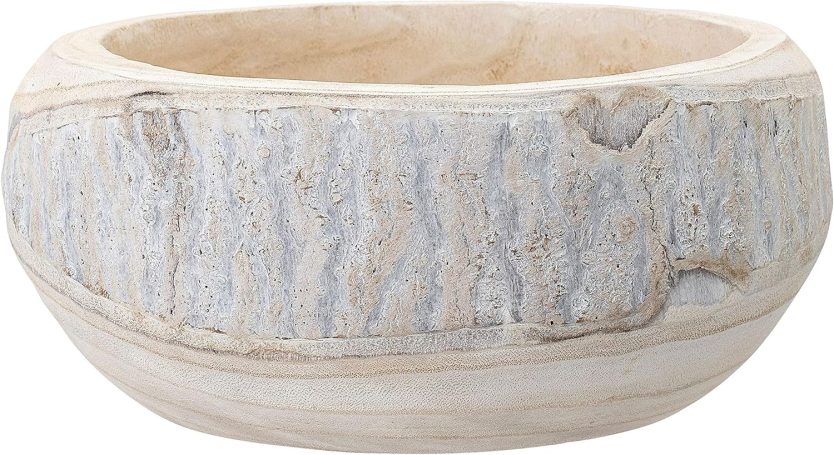
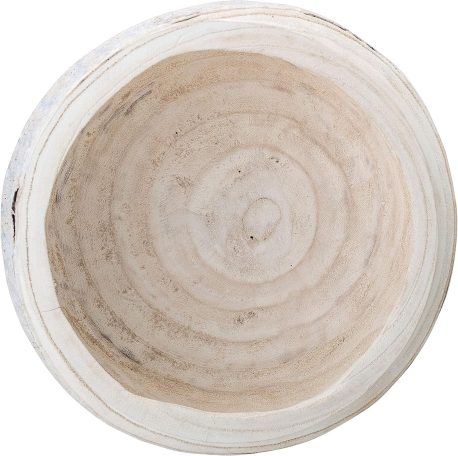
Our Pick: Decorative Wooden Bowl - This wooden bowl exemplify Scandinavian design: simple, natural, tactile. It adds height and organic texture to coffee table displays while creating that sensory engagement central to hygge.
We've written extensively about the transformative power of rugs in minimalist spaces, and in winter, a beautiful rug becomes even more
essential. It's not just about aesthetics: a rug literally provides warmth underfoot while visually anchoring a room and defining living spaces in open-plan homes.
For winter specifically, think about pile and texture. A low-pile jute rug that works beautifully in summer might feel too sparse in winter.
Consider temporarily layering a plush, high-pile rug over your existing one, or swapping to a warmer option for the season. Wool is the gold standard for winter rugs: it's naturally insulating, durable, and has a softness that synthetic materials can't replicate.
Size is crucial and often miscalculated, chek out our How to choose the perfect rug Guide: In living rooms, your rug should be large enough that at least the front legs of all your seating furniture rest on it, creating a cohesive conversation area. A rug that's too small makes a room feel disjointed and actually makes spaces look smaller. When in doubt, size up,the investment in a properly sized rug pays dividends in how unified and intentional your space feels.
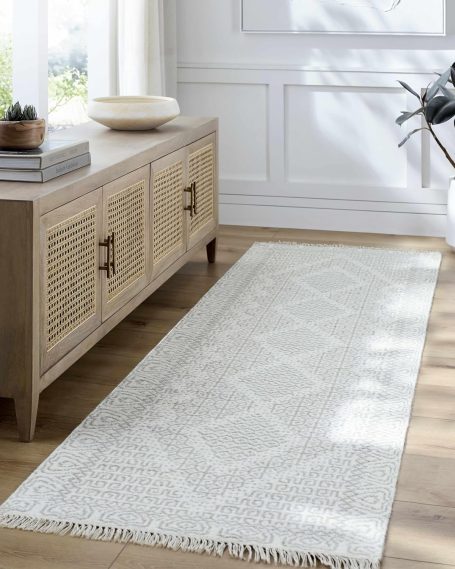
Color and pattern require careful consideration. In keeping with Scandinavian minimalism, choose warm neutrals as your foundation: cream, beige, warm grey, soft camel. If you want pattern, geometric designs or subtle tribal motifs work well, but ensure they enhance rather than dominate. The rug should ground the space, not become the loudest element in the room.
Consider rug placement in unexpected areas. A plush runner in the kitchen creates surprising warmth, both visually and literally. A small, soft rug beside your bed transforms cold morning wake-ups. Hallways, often overlooked, become warmer and more intentional with a runner in warm tones.
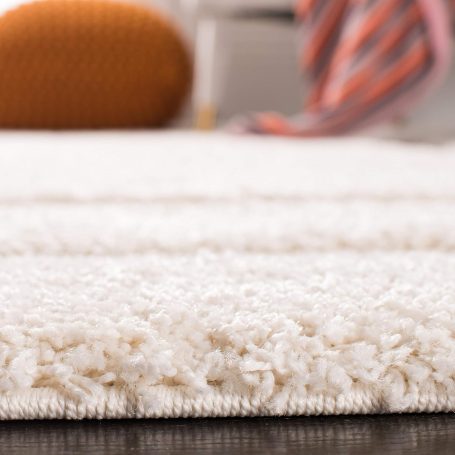
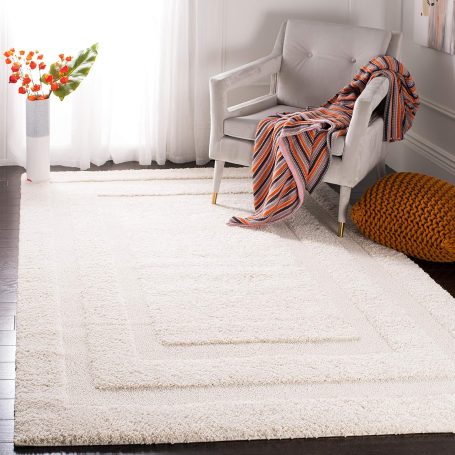
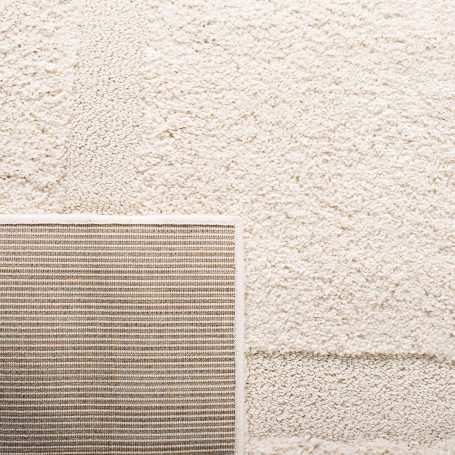
Our Pick: Cozy Minimal Area Rug - This rug combines warmth, durability, and subtle pattern in neutral tones. Its Scandi-inspired design adds visual interest without overwhelming minimalist spaces, while its plush pile provides the physical comfort essential for winter hygge.
One of the most tangible expressions of hygge is the ritual of hot beverages: tea, coffee, hot chocolate, mulled wine. Rather than treating this as a purely functional activity, elevate it by creating a dedicated beverage station that makes the ritual more intentional and beautiful.
Location matters. If possible, place your hot beverage station away from the main cooking area, perhaps on a sideboard, a bar cart, or a dedicated shelf. This separation transforms it from kitchen work into a separate ritual. Near a window is ideal, allowing you to look out while your tea steeps or coffee brews.
Display your essentials beautifully. Store tea in glass jars or wooden boxes where you can see the varieties. Display your favorite mugs on open shelving or hooks: seeing them makes you more likely to use them. Keep honey, sugar, or sweeteners in beautiful containers rather than their original packaging. If you enjoy afternoon tea or coffee, include a small plate of treats or a cookie jar as part of the display.
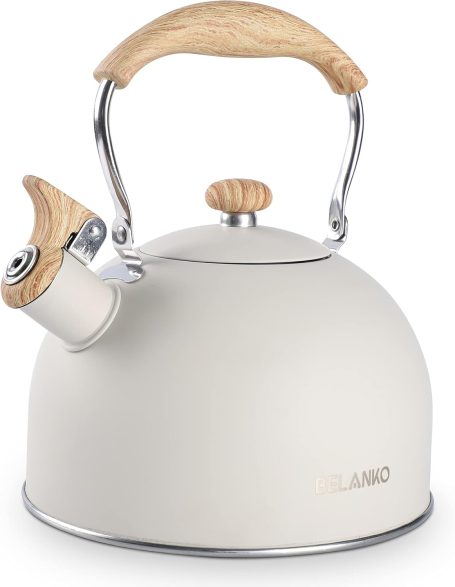
Make it complete: everything needed for the ritual should be within reach: kettle, grinder (for coffee enthusiasts), spoons, napkins, perhaps a small plant or candle for visual warmth. The goal is to make the process of making a hot beverage feel intentional rather than rushed: when everything has its place, the ritual becomes meditative rather than just another task.
Consider adding unexpected elements that enhance the experience: a small hourglass or timer for perfect tea steeping, a vintage tin of biscuits, a tiny vase for a single stem flower. These details might seem excessive, but they're what transform a functional coffee corner into a hygge ritual space.
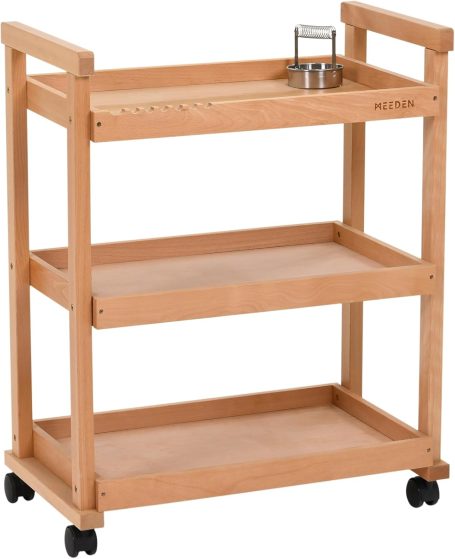
Our Pick: Bamboo 3-Tier Rolling Cart - This mobile cart provides flexible hot beverage station storage with natural warmth. Its wheels allow you to move it for entertaining or tuck it away when not in use, while the natural bamboo fits perfectly with Scandinavian aesthetic principles.
Scent is the most overlooked element in interior design, yet it's perhaps the most powerful for creating atmosphere and triggering emotional responses. In winter, when windows are closed and indoor time increases, intentional scent design becomes essential for hygge.
Choose scents thoughtfully rather than defaulting to commercial air fresheners. Winter hygge scents should feel natural and grounding: woody notes like cedar or sandalwood, warm spices like cinnamon or cardamom, citrus for brightness (bergamot or orange), herbal notes like eucalyptus or rosemary. Avoid anything too sweet or artificial: the goal is to enhance your space, not overwhelm it.
Layering scents creates depth. Use unscented or lightly scented cleaning products as a base (harsh chemical smells work against hygge). Then layer in intentional scents: reed diffusers for constant, subtle fragrance; candles for evening atmosphere; essential oil diffusers for
specific moods; fresh elements like eucalyptus branches for natural aromatherapy.
Consider scent by room. Living areas might feature warm, inviting scents like vanilla or amber. Bedrooms benefit from calming lavender or chamomile. Bathrooms can handle stronger scents like eucalyptus or mint. Kitchens should generally remain neutral, allowing cooking smells to dominate when preparing food.
Natural sources create the most authentic scent experience. A pot of mulling spices simmering on the stove, fresh coffee brewing, a vase of eucalyptus branches in the shower, cedar sachets in linen closets: these create scent that feels organic rather than manufactured, connecting your indoor environment to nature and seasons.
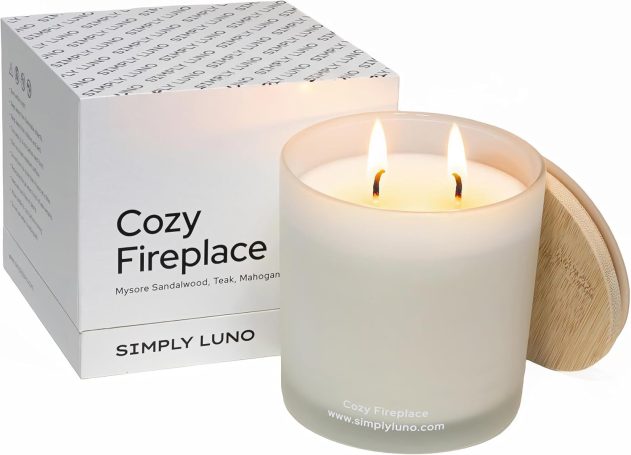
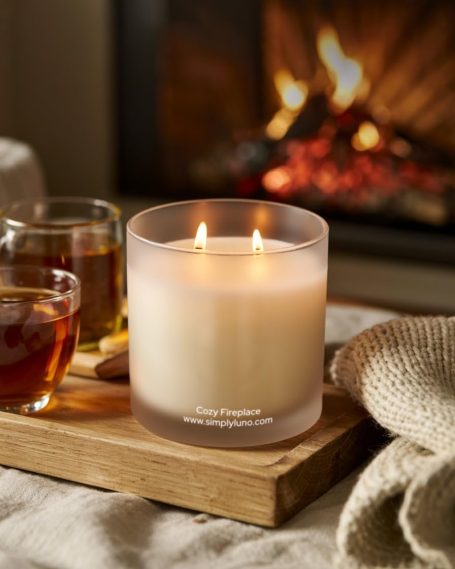
Our Pick: Hygge Scented Candle - This ecologic candle combines rich wood notes with subtle spice and leather, creating a sophisticated winter scent that's warm without being overly sweet. The clean-burning align with hygge principles of natural, sustainable materials.
Creating a hygge haven isn't about purchasing every item on this list or transforming your home overnight. It's about thoughtfully
incorporating elements that genuinely enhance your daily experience, choosing quality over quantity, and creating rituals that anchor your winter days.
Start with one or two changes that resonate most with you. Perhaps it's investing in proper lighting or creating a reading nook. Layer in
additional elements as you discover what truly brings you comfort and joy. Pay attention to what you're drawn to when you come home:
those instincts will guide you toward the changes that will have the most impact in your specific space.
Remember that hygge is as much about practice as it is about design. The most beautifully styled space means little if you don't take time to actually use it: to sit in that reading chair, to light those candles, to wrap yourself in that blanket with a cup of tea. The design supports the practice, but the practice is what transforms a house into a home.
As winter settles in, give yourself permission to embrace slowness, to prioritize comfort, and to create a home environment that truly
supports your wellbeing. That's not indulgence, it's essential self-care, Scandinavian style.
For more inspiration on creating warm, minimalist spaces, explore our guides on warm Scandinavian living rooms and neutral color palettes. Follow us on Pinterest and Instagram for daily hygge inspiration throughout winter and beyond.
*Affiliate Disclosure: This post contains affiliate links. As an Amazon Associate, Nordic Ember Interior Design earns from qualifying purchases. This comes at no extra cost to you and helps support our work in bringing you thoughtful design guidance and inspiration.
Necesitamos su consentimiento para cargar las traducciones
Utilizamos un servicio de terceros para traducir el contenido del sitio web que puede recopilar datos sobre su actividad. Por favor revise los detalles en la política de privacidad y acepte el servicio para ver las traducciones.