Nordic Ember Interior Design
Nordic Ember Interior Design
Designer Curated Top Ten Selection
Discover our top ten favorite pieces for a home that’s effortlessly stylish and functional. From standout statement items to everyday essentials, these picks reflect our minimalist, Nordic-inspired aesthetic. Explore each room to see our curated selections for the Bathroom, Kitchen, Bedroom, and Living Room: handpicked to inspire your own home styling.
Click through to shop the look for each room and bring a touch of Nordic simplicity and warmth to your home
Before we dive into specific decor ideas, it's essential to understand what hygge truly means in the context of interior design.
Hygge (pronounced "hoo-ga") emerged from Scandinavian culture as a response to long, dark winters and the human need for comfort, connection, and well-being. It's not about expensive purchases or trendy aesthetics: it's about creating an atmosphere where you can be fully present and at peace.
In design terms, hygge translates to several key principles: natural materials over synthetic ones, warm lighting over harsh overhead bulbs, textured layers over flat surfaces, and personal touches over generic decor. It's about quality over quantity, creating intentional spaces rater than filling rooms.
When you design with hygge in mind, you're not just decorating for winter: you're crafting an environment that supports mental well-being, encourages slowness, and celebrates the beauty of simple pleasures.
Lighting is perhaps the most transformative element in winter decor, yet it's often the most overlooked. The key to hygge lighting isn't about brightness: it's about creating pools of warm, ambient light that invite you to settle in. Think of lighting as the foundation of your winter atmosphere, the element that sets the mood for everything else.
Start by evaluating your current lighting setup.
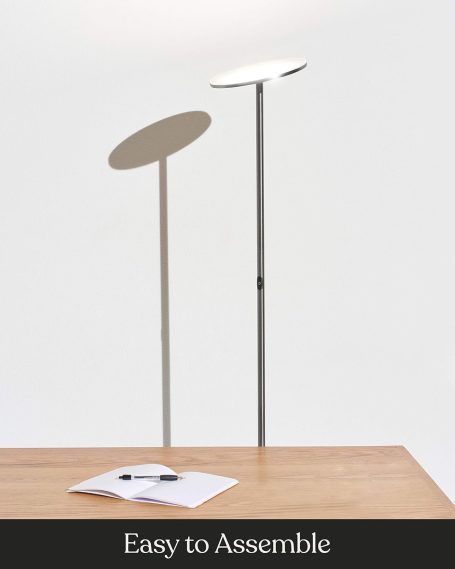
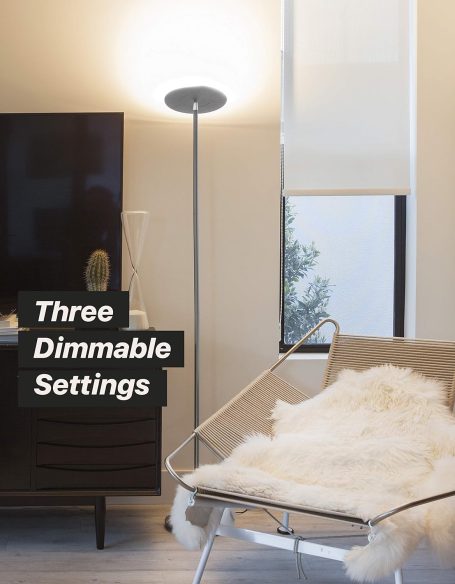
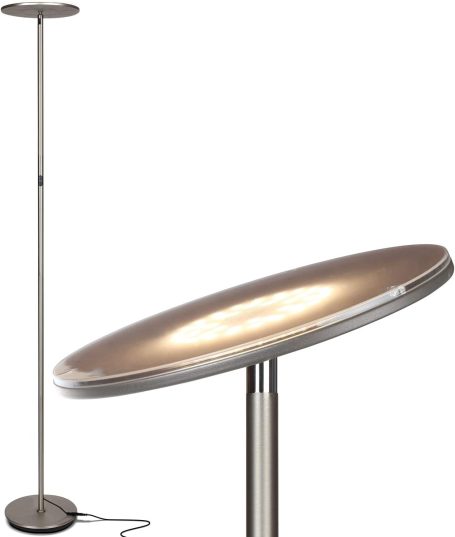
Our Pick: Brightech Sky LED Torchiere Floor Lamp - This dimmable floor lamp offers warm, upward-facing light that bounces off ceilings for a soft, ambient glow. Its minimalist design fits seamlessly into Scandinavian interiors while providing the warm illumination essential for hygge evenings.
Nothing embodies hygge quite like candlelight. There's something primal and deeply comforting about fire; it's been the centerpiece of
human gathering for millennia, and that instinct hasn't left us. Candles slow us down, require our attention, and create an intimate
atmosphere that electric light simply cannot replicate.
But incorporating candles into your winter decor goes beyond simply lighting a wick.
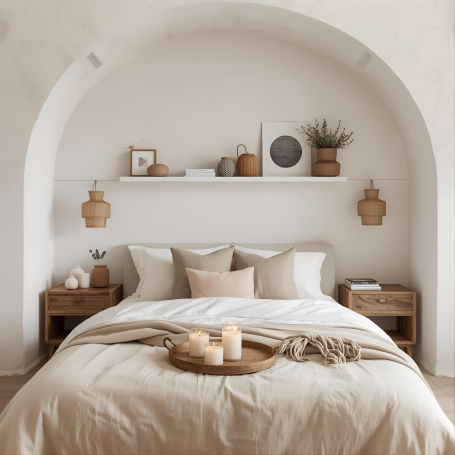
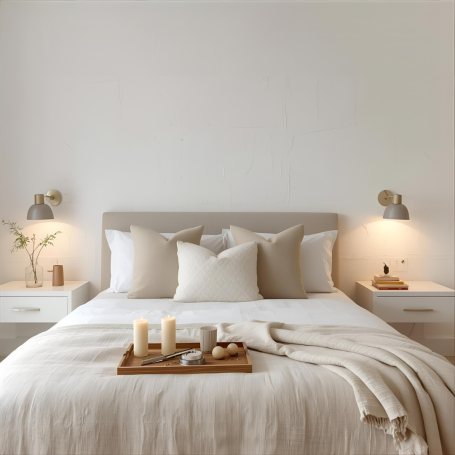
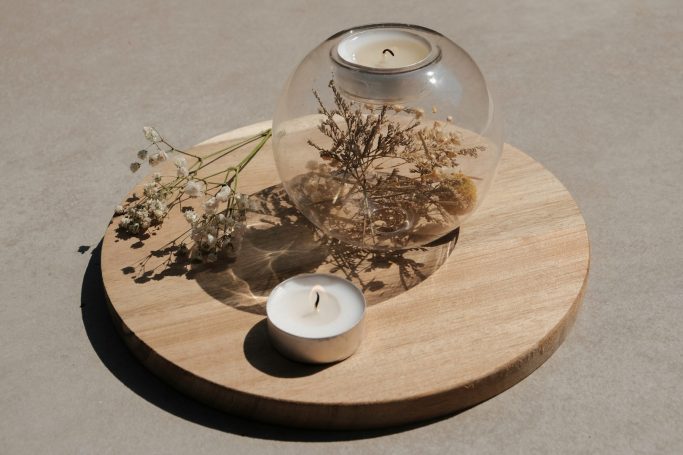
Think about placement and grouping. Cluster candles of varying heights on a wooden tray for your coffee table, creating a focal point that draws the eye. Place pillar candles in your fireplace when it's not in use, or line them along a windowsill to create a warm glow that welcomes you home in the evening. In the bathroom, candles transform a simple bath into a spa-like ritual.
Safety and practicality matter, especially in homes with children or pets. LED candles have evolved significantly: the best ones feature realistic flicker effects and warm color temperatures that mimic real flames. They're perfect for high-traffic areas, bedrooms where you might fall asleep, or any space where open flame isn't ideal. Keep real candles for when you can sit and enjoy them, treating them as the special ritual they deserve to be.
Consider the vessels as part of your decor. Simple glass votives showcase the flame beautifully, while ceramic or concrete holders add textural interest. Wooden candle holders bring natural warmth, while metal lanterns create beautiful shadow play. Choose vessels that complement your existing decor but also feel tactile and intentional.
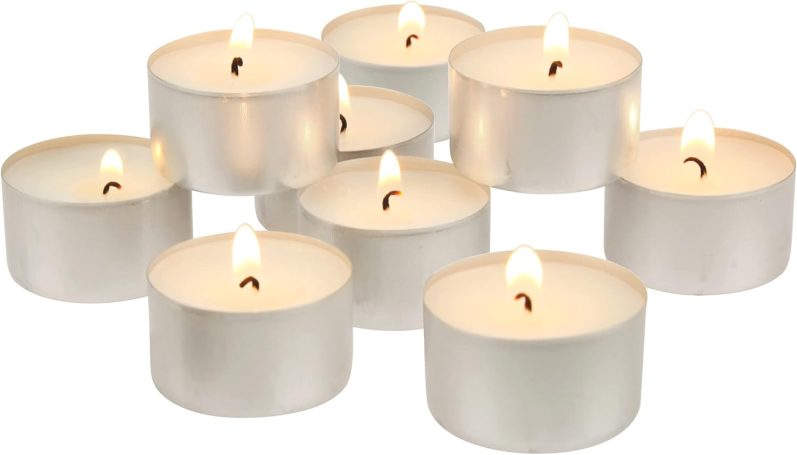
Our Pick: Long Burning Tealight Candles - These extended-burn tealights provide 6-7 hours of gentle light, perfect for evening rituals without constant replacement. Their neutral color works with any holder, and buying in bulk means you'll never run out during long winter evenings.
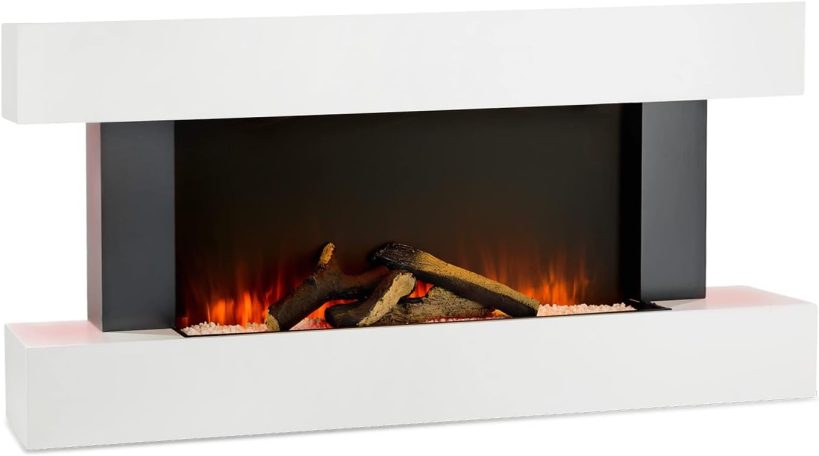
If you want to go All in: This realistic electric Fireplace with heating - Will change your winter; not only decor and coziness but also warmth. You can change colours, intensity and side lights.
In Scandinavian design, textiles aren't just functional, they're the soul of a room. During winter, layering textiles becomes an art form, one that adds visual warmth, physical comfort, and textural depth all at once.
But textile layering requires strategy; done poorly, it looks cluttered. Done well, it transforms a minimalist space into a haven.
Start with your larger pieces: sofas and beds.
Material matters more than pattern:
In winter decor, texture does the work that pattern might do in other seasons. Think bouclé, chunky knits, brushed cotton, wool felt, raw
linen, and velvet. These materials catch light differently, creating subtle variation and depth. They also feel distinctly different to touch, which engages another sense and makes your space more experiential.
Don't forget the floor: Layering rugs is a professional designer trick that's perfectly suited to winter. Place a smaller, textured rug over a
larger jute or flatweave base. This adds warmth underfoot, defines seating areas, and creates visual layers that make a room feel more
curated and intentional. Check our guide to style rugs like a professional.
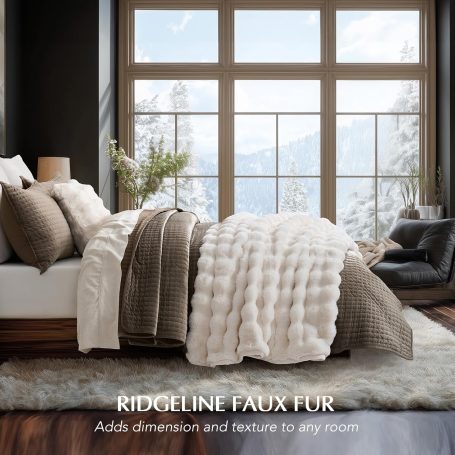
Our Pick: Luxury Thick Faux Fur Throw Blanket - This plush throw offers exceptional softness and warmth without the bulk of real fur. Its neutral color works with any decor scheme, and at 80x60 inches, it's perfectly sized for draping over sofas or beds.
The Scandinavian design philosophy is deeply rooted in nature, and this connection becomes even more important during winter when we spend less time outdoors. Bringing natural elements inside isn't just aesthetically pleasing, it's psychologically beneficial, reducing stress and improving air quality while grounding your space in organic warmth.
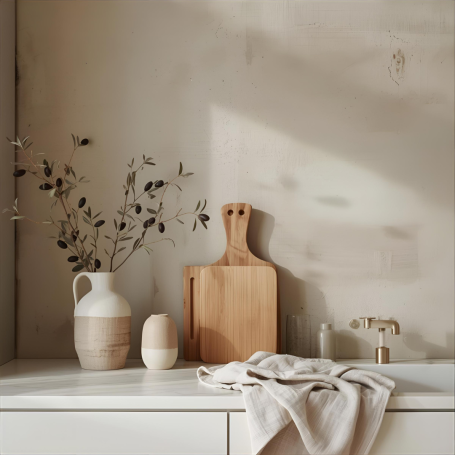
Wood is your primary natural material for winter. If you don't have wooden furniture, introduce it through smaller pieces: a wooden tray for coffee table styling, a raw-edge cutting board displayed on your kitchen counter, wooden candlesticks, or a simple wooden bowl filled with pinecones or natural objects. Choose woods with visible grain and warm tones—walnut, oak, teak, or acacia—rather than painted or laminated pieces.
Greenery matters even more in winter. While summer might call for fresh flowers, winter is the time for hardy, evergreen plants that thrive indoors. Consider plants with interesting textures or silhouettes: the sculptural drama of a fiddle leaf fig, the trailing softness of a pothos, or the upright elegance of a snake plant. If your home lacks natural light, LED grow lights have become remarkably design-forward, with options that look like regular lamps.
Stone and ceramic bring earthy, grounding energy to winter spaces. A marble tray, stone coasters, ceramic vases in matte finishes, or
concrete planters all add weight and substance that feels particularly appropriate during colder months. These materials also pair beautifully with wood, creating a layered natural palette.
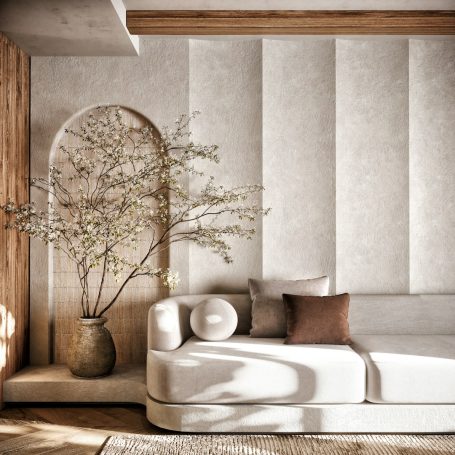
Don't overlook foraged elements. A few branches in a tall vase, pinecones displayed in a wooden bowl, dried grasses in a ceramic pitcher:
these cost nothing but add organic beauty and connect your interior to the season outside. Change them as winter progresses, treating them as living decor that evolves naturally.
Our Pick: Artificial Olive Tree in Pot - For those without ideal plant-growing conditions, this remarkably realistic olive tree brings greenery and vertical interest without maintenance. Its Mediterranean origins feel particularly appropriate for hygge spaces, where connection to warmer regions provides psychological comfort during cold months.
One of the most powerful hygge principles is the idea of the "nook": small, dedicated spaces designed specifically for comfort and retreat. Rather than trying to make entire rooms feel cozy, which can sometimes work against their function, create intentional cozy zones that
become your winter sanctuaries.
A reading corner is perhaps the most classic hygge nook. You don't need much space, a comfortable chair, a side table for tea, good reading light, and a place for books within arm's reach. But the magic is in the details: a footstool for putting your feet up, a soft throw blanket draped over the chair's back, perhaps a small shelf of your current reads. Place this near a window if possible, or in a quieter corner of your living room or bedroom.
Window seats deserve special mention. If you're fortunate enough to have a window seat, winter is when it truly shines. Add a thick cushion for the seat, pile it with cushions for back support, store extra blankets underneath in a basket. Sheer curtains can define the space while still allowing light in, creating a private nook within a larger room.
Don't overlook unexpected spaces. The foot of your bed can become a cozy spot with a bench or ottoman and a folded blanket. A wide hallway might accommodate a small chair and side table, creating a quiet retreat for morning coffee. Even a bedroom corner can become a meditation or journaling spot with just a floor cushion and a small low table.
The key is making these spaces feel intentional and maintained. A cozy corner piled with random items becomes clutter. A cozy corner with a specific purpose: reading, meditation, tea drinking, journaling; becomes a cherished ritual space that you'll actually use throughout winter.
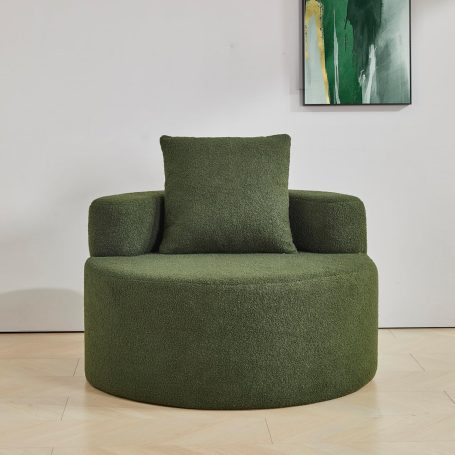
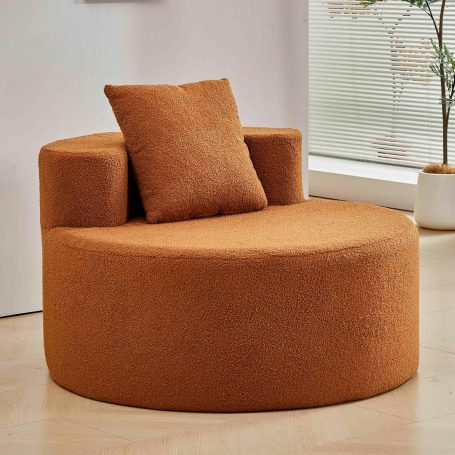
Our Pick: Living Room Chair - Accent Chair - This compact multipurpose chair offers both style and comfort without overwhelming smaller spaces. It is perfect for creating a dedicated reading nook and giving a designer touch to the room.
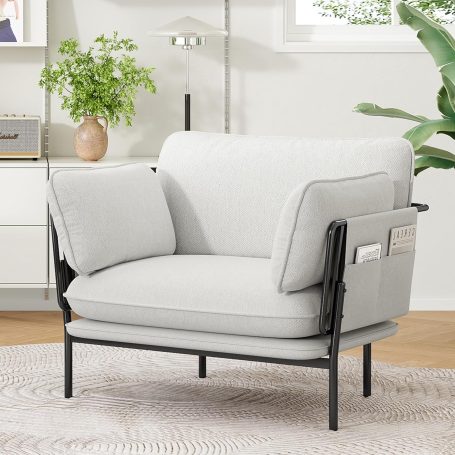
If you need something lighter, you can pick these decorative chairs with side pockets, picture below.
Necesitamos su consentimiento para cargar las traducciones
Utilizamos un servicio de terceros para traducir el contenido del sitio web que puede recopilar datos sobre su actividad. Por favor revise los detalles en la política de privacidad y acepte el servicio para ver las traducciones.